“brown taste” search results (5000)
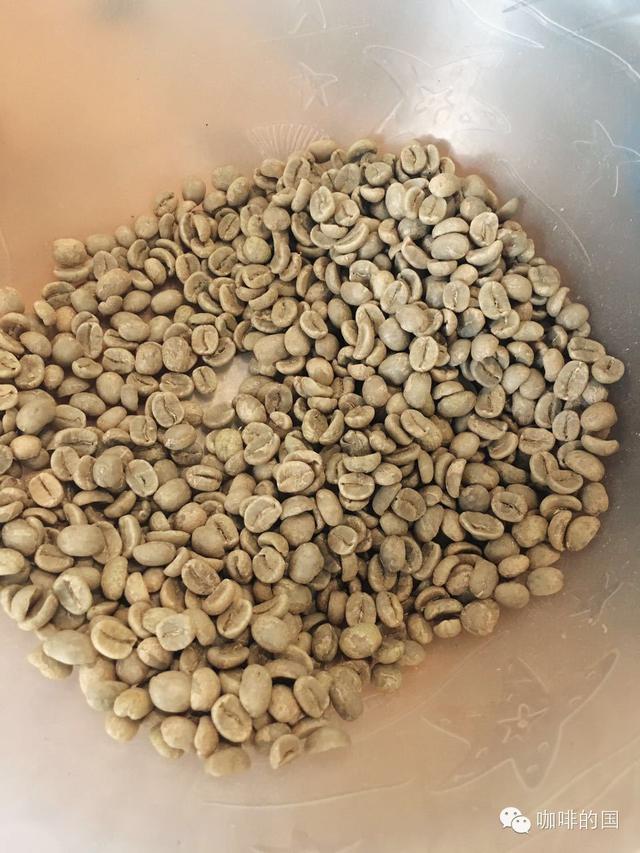
How to select defective beans? What are the categories of defective beans? Recognize all kinds of common defective beans
All black beans / partial black beans: raw beans that are supposed to appear light turquoise turn black. Immature beans are over-fermented in the process of refining, resulting in microbial infection, mixed taste, sour smell, mildew smell, drug taste and so on, which may contain biotoxins. Sour beans / local sour beans: raw beans have a yellow, yellowish-brown or reddish-brown appearance, usually accompanied by blackened germs, harvested or after harvest
2015-12-17 How to select flaw class which cognition various common black bean local
Introduction to the grayish boutique Sidamo coffee beans
Brown raw beans are grayish in some places, thick and small in some places, soft and strong in acidity, mellow and sweet and spicy. It is one of the courtyard coffee in the highlands of southern Ethiopia. Unlike ordinary African coffee, Sidamo has clear acidity, smooth taste and delicate floral smell. The taste of Sidama in the sun is close to the smell of flowers, but it is about a little earthy.
2016-06-20 Slightly gray boutique Dharma coffee beans introduction brown slightly gray some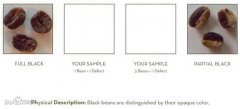
SCAA Fine Coffee grading defective Bean Standard
All black beans / part of black beans appearance features: black opaque raw bean cup sensory features: diversity: fermentation taste, sharp choking taste, turbidity, mildew taste, sharp sour taste, chemical irritation and other single or multiple odors mixture. Cause: excessive fermentation, leading to microbial invasion and infection. Appearance characteristics of whole sour beans / partial sour beans: raw beans have a yellow, yellowish brown or reddish brown appearance, usually
2015-11-10 SCAA boutique coffee grading defects standard black beans part appearance special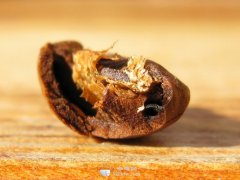
General knowledge of Fine Coffee reaction in the process of roasting coffee
Once the coffee seed is planted, no one can change its final quality. However, the color, aroma, bioactive components and health characteristics of coffee are related to the roasting process. During the roasting process, coffee is heated at 190-220 degrees for 7-20 minutes, which helps to bake out its aroma and good taste, and helps to form lactone, nicotinic acid and resistance.
2015-01-08 Boutique coffee common sense baking steps process reaction once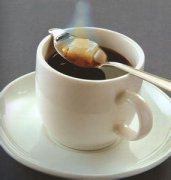
The choice of sugar in fine coffee has three different tastes.
There are mainly three kinds of sugars for coffee: yellow sugar (sucrose), white sugar (refined sugar) and cube sugar (crystal refined sugar compression drying).
2014-09-13 Coffee knowledge coffee with sugar coffee and sugar
Coffee flavor tasting: where does the "bitter" and "sour" in coffee come from?
Bitterness: caffeine is the best known bitter ingredient in coffee, but caffeine actually accounts for up to 10% of the bitter taste. This can be understood from the fact that the concentration of caffeine in roasted beans is not affected by the degree of roasting, and that non-caffeine also tastes bitter. So where does the remaining 90% of the bitterness come from? One of the sources of coffee bitterness is brown pigment. Brown pigment
2015-12-14 Coffee flavor taste where does it come from bitterness coffee ingredients people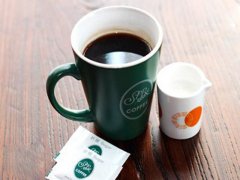
Sugar commonly used in drinking coffee
The role of sugar in coffee is mainly to neutralize bitterness by increasing sweetness. General coffee drinks with a sweetness of 12% to 14% will make people feel less bitter. And more than 18% will make people feel a little tired of sweetness.
2014-07-17 Coffee knowledge coffee and sugar coffee companion coffee seasoning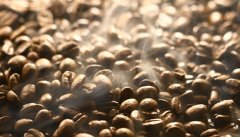
Why roast coffee beans?
The raw coffee beans for export are not the dark brown beans we often see in cafes with a luster of vegetable oil and a burst of coffee-scented beans. Coffee beans can only be roasted to become coffee beans for grinding and drinking. Of course, this is just a strange modern way, because in the early days, Ethiopians used the fruits of coffee to make wine.
2015-04-15 Why roasting coffee beans exports not us coffee in the restaurant
Analysis of coffee roasting degree the difference between light roasting, moderate roasting and deep roasting
Once the coffee seed is planted, no one can change its final quality. However, the color, aroma, bioactive components and health characteristics of coffee are related to the roasting process. During the roasting process, coffee is heated at 190-220 degrees for 7-20 minutes, which helps to bake out its aroma and good taste, and helps to form lactone, nicotinic acid and resistance.
2016-01-12 Coffee roasting degree resolution light medium depth distinction key points once
Boutique coffee Salvadoran coffee flavor plum, brown sugar, sour red wine
Unique, mild-tasting coffee. ElSalvador is one of the small countries in Central America with a dense population. The flavor of its coffee is characterized by excellent balance. Today, this coffee accounts for 40% of the country's exports. 35% of the extra hard beans of the best coffee are exported to Germany from January to March. In the early 1990s, guerrilla warfare greatly damaged the country's national classics.
2016-05-12 Boutique coffee El Salvador flavor plum brown sugar red wine sour unique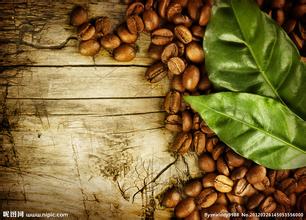
Boutique coffee Salvadoran coffee flavor plum, brown sugar, sour red wine
Unique, mild-tasting coffee. ElSalvador is one of the small countries in Central America with a dense population. The flavor of its coffee is characterized by excellent balance. Today, this coffee accounts for 40% of the country's exports. 35% of the extra hard beans of the best coffee are exported to Germany from January to March. In the early 1990s, guerrilla warfare greatly damaged the country's national classics.
2016-05-13 Boutique coffee El Salvador flavor plum brown sugar red wine sour unique
How to determine the way to extract Espresso coffee oil is correct?
1, the flow rate of Italian concentration: the flow rate directly determines the taste of ESPRESSO, too fast flow rate will make the essence of coffee has not been dissolved into the water, but the water has passed through the coffee powder, resulting in coffee tasteless; too slow flow rate will make coffee essence and dregs all into the water, resulting in coffee with obvious scorching taste or exciting bitter taste. For beginners,
2015-12-02 Espresso Italian Condensed Coffee Fat judgement way how
The sour, bitter, sweet and fresh taste of coffee in roasting
Coffee has become an indispensable part of urban life, and with the improvement of living standards, the requirements and awareness of coffee are also on a higher level. Baking is basically divided into Full City, American American, Medium medium, High depth, Breakfast breakfast, Regular regular, Brown brown is generally easy to be introduced is medium baking.
2016-04-28 Coffee roasted medium sour bitter sweet taste freshness coffee already
Why roast coffee beans in the basics of coffee?
The raw coffee beans for export are not the dark brown beans we often see in cafes with a luster of vegetable oil and a burst of coffee-scented beans. Coffee beans can only be roasted to become coffee beans for grinding and drinking. Of course, this is just a strange modern way, because in the early days, Ethiopians used the fruits of coffee to make wine.
2015-04-13 Coffee basics common sense why roasting coffee beans exports not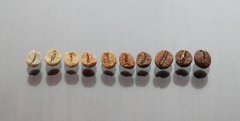
Do not drink unbaked coffee roasting degree
The heat of shallow roasting is mild, because the sour aroma of flowers and fruits is most preserved by fermentation, so it is easy to smell the sour aroma of coffee. If the baking continues, that is, from the end of the first explosion to the middle baking before the second explosion, or even the medium and deep baking from the first explosion to the second explosion, most of the sour aroma of the fermentation catalysis has been broken up, instead of the taste spectrum of the sugar browning reaction (Sugar Browning) and Mena reaction.
2016-06-03 Not suitable for drinking roasting coffee degree light roasting heat mild because fermentation
Roasting analysis of professional coffee
Once the coffee seed is planted, no one can change its final quality. However, the color, aroma, bioactive components and health characteristics of coffee are related to the roasting process.
2014-06-25 Coffee knowledge coffee roasting coffee encyclopedia
Roasting and roasting degree of coffee
The biggest problem with first exposure to professional coffee (specialty coffee) is the name of the degree of baking. For example, city,full city, French, Espresso, etc., all produce different baking colors due to the different roasters used and the areas where they are produced.
2014-07-04 Coffee knowledge coffee roasting degree coffee roasting
Coffee roasting degree explanation
1. When studying the roasting degree of coffee beans, the degree of roasting can be judged by sound, color and aroma. The color changes from light gray to dark brown, and the aroma changes from elegant to rich; the sound is two times of explosion, taking the high temperature resistant raw beans as an example, the first explosion starts at about 7 minutes and lasts for about 2 minutes. The sound is low, indicating the beginning of pyrolysis, starch conversion to caramel, and water evaporation.
2014-09-18 Coffee roasting coffee knowledge
Burundian Coffee Flavor with Fruit Flavor introduction to the characteristics of Fine Coffee beans in Manor area
According to the Central Bank of Burundi, Burundi's imports and exports in 2012 were 1.27835 trillion Brown (about 886 million U.S. dollars), of which imports totaled 1.08505 trillion Brown (about 751 million U.S. dollars) and exports totaled 194.3 billion Brown (1.34 U.S. dollars). The annual trade deficit is 8897.5 Brown (about $616 million). [12] outward investment began in the early 1990s
2016-08-12 Fruit flavor Burundi coffee taste manor producing area characteristics boutique
Black coffee is delicious.
Black coffee is coffee without any modification, black coffee brings the original feeling of coffee taste. Coffee brewed with a small household coffee machine, visually see the foam on the coffee, brewed properly, the foam should be uniform brown. If the coffee bean is mostly Arabica, the foam is fine, dark brown and slightly reddish; if it is mostly Robusta, the foam
2014-05-23 Black coffee black coffee aroma perception